
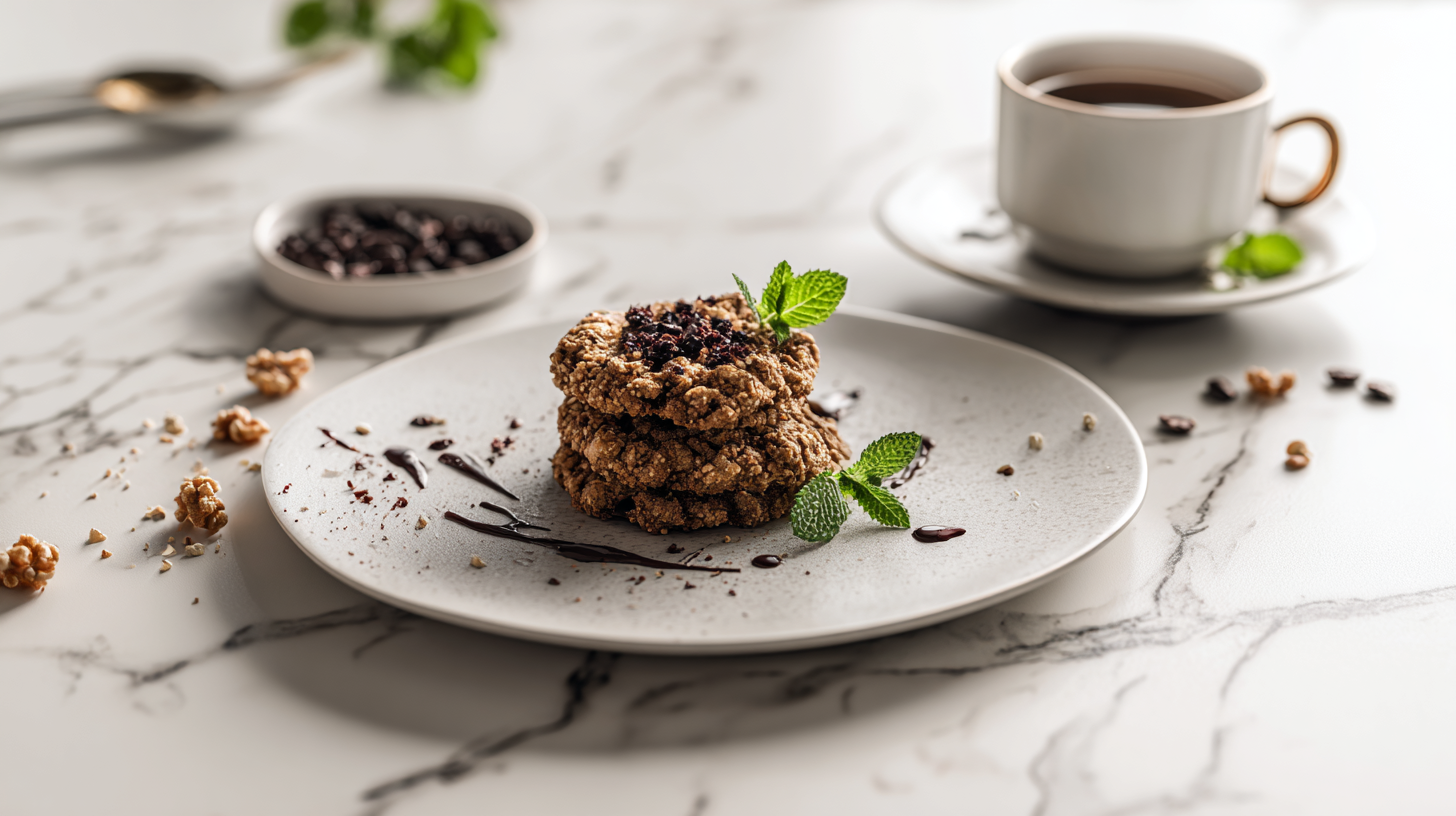
Oats cocoa cookies are soft, chewy chocolate treats made with wholesome oats and rich cocoa powder. These simple cookies combine the heartiness of rolled oats with deep chocolate flavor, creating a satisfying snack that’s perfect for any time of day. Whether you’re looking for a quick dessert or a lunchbox addition, these cookies deliver wonderful taste with minimal effort.
Why You’ll Love This Oats Cocoa Cookies
These oats cocoa cookies are a game-changer for anyone who loves chocolate and wants a treat that feels a bit more wholesome. The oats add incredible texture and make each bite satisfying, while the cocoa powder brings that deep, rich chocolate flavor everyone craves.
You’ll appreciate how quick these come together. Most cookie recipes require chilling or complicated steps, but these beauties can be mixed, shaped, and baked within 20 minutes. That’s faster than running to the store for packaged cookies, and the homemade version tastes infinitely better.
The ingredient list is refreshingly short and pantry-friendly. You probably already have everything you need tucked away in your cupboards. No specialty items, no hunting through multiple grocery stores, just straightforward baking ingredients that work together beautifully.
These cookies also work wonderfully for meal prep. Make a double batch on Sunday, and you’ll have grab-and-go snacks for the entire week. They stay fresh for days and actually improve in flavor as the oats absorb moisture and the cocoa deepens.
Table of Contents
Table of Contents
Ingredients for Oats Cocoa Cookies
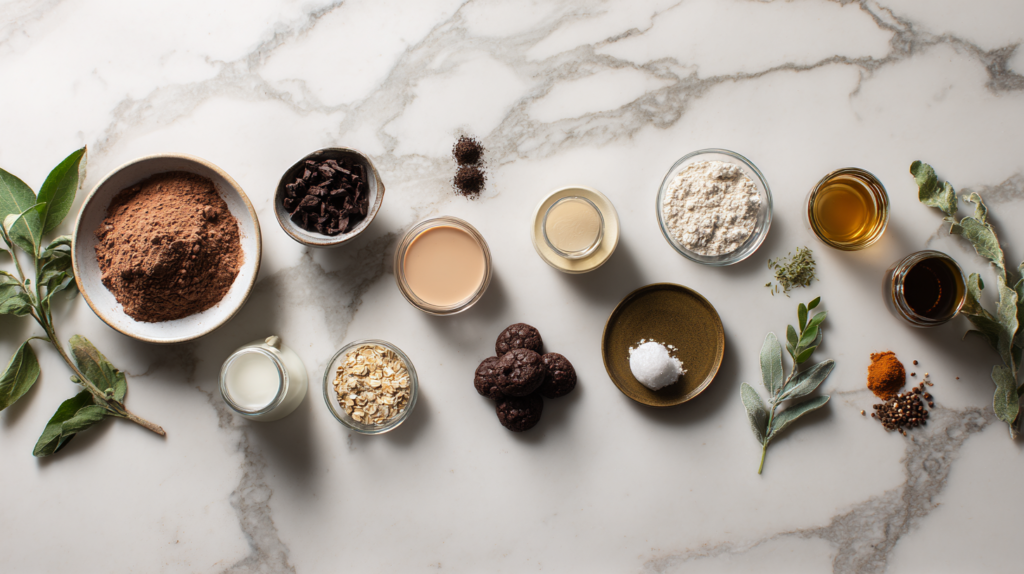
Cookie Ingredients
- 2 cups rolled oats (old-fashioned, not instant)
- 1/2 cup all-purpose flour
- 1/3 cup unsweetened cocoa powder
- 1/2 teaspoon baking soda
- 1/4 teaspoon salt
- 1/2 cup unsalted butter, softened
- 3/4 cup brown sugar, packed
- 1/4 cup granulated sugar
- 1 large egg
- 1 teaspoon vanilla extract
- 1/2 cup chocolate chips (optional but recommended)
Ingredient Notes
The type of oats you use matters significantly. Old-fashioned rolled oats provide the best texture, creating cookies with pleasant chewiness. Quick oats will work in a pinch but may result in a softer, less textured cookie. Steel-cut oats are too coarse and won’t incorporate properly, so avoid those entirely.
For a healthier swap, replace half the all-purpose flour with whole wheat flour or almond flour. This adds fiber and nutrients without dramatically changing the taste. Coconut flour doesn’t substitute well here due to its unique absorption properties.
The cocoa powder quality directly impacts flavor. Dutch-processed cocoa gives a smoother, mellower chocolate taste, while natural cocoa powder offers a sharper, more intense chocolate flavor. Either works beautifully, so choose based on your preference.
If you need a dairy-free version, substitute the butter with an equal amount of coconut oil (measured solid) or vegan butter. The texture will be slightly different but still delicious. For a lower-sugar option, reduce the granulated sugar to 2 tablespoons and add a mashed banana for natural sweetness.
The chocolate chips are technically optional, but they add delightful pockets of melted chocolate throughout. Dark chocolate chips offer a more sophisticated flavor, milk chocolate adds sweetness, and semi-sweet strikes a perfect balance. You could also use cacao nibs for a less sweet, more intense chocolate experience.
Step-by-Step Instructions
Step 1 – Prepare Your Workspace
Preheat your oven to 350°F (175°C) and line two baking sheets with parchment paper or silicone baking mats. This prevents sticking and ensures even browning on the bottom of your cookies. Position your oven racks in the upper and lower thirds of the oven for optimal heat circulation.
Gather all your ingredients and measuring tools before you begin. Having everything within reach makes the process smoother and prevents you from accidentally leaving out an ingredient. Room temperature butter and eggs mix more easily, so set those out about 30 minutes before baking if you remember.
Step 2 – Mix the Dry Ingredients
In a medium bowl, whisk together the oats, flour, cocoa powder, baking soda, and salt. Make sure the cocoa powder is fully incorporated with no dark streaks remaining. The baking soda needs to be evenly distributed to ensure your cookies rise properly and have consistent texture throughout.
If your cocoa powder has lumps, sift it before adding to the bowl. Those lumps won’t break down during mixing and will create bitter pockets in your finished cookies. A quick sift takes only seconds and improves the final result significantly.
Step 3 – Cream the Butter and Sugars
In a large mixing bowl, beat the softened butter with both sugars using an electric mixer on medium speed for about 2-3 minutes. The mixture should become light, fluffy, and pale in color. This creaming process incorporates air, which helps create a tender cookie texture.
Scrape down the sides of the bowl halfway through to ensure everything gets evenly mixed. Add the egg and vanilla extract, then beat for another minute until fully combined. The mixture should look smooth and cohesive at this point.
Step 4 – Combine Wet and Dry
Add the dry ingredient mixture to the wet ingredients in three portions, mixing on low speed or stirring by hand after each addition. This gradual incorporation prevents flour clouds and ensures everything combines evenly without overworking the dough.
Once the last of the dry ingredients is just barely combined, fold in the chocolate chips if using. The dough will be thick and slightly sticky, which is exactly what you want. Overmixing at this stage creates tough cookies, so stop as soon as you no longer see dry flour streaks.
Step 5 – Shape and Bake
Using a cookie scoop or tablespoon, drop rounded portions of dough onto your prepared baking sheets, spacing them about 2 inches apart. The cookies will spread slightly during baking, so adequate spacing prevents them from merging into one giant cookie.
Bake for 10-12 minutes, rotating the pans halfway through for even baking. The cookies are done when the edges look set but the centers still appear slightly soft. They’ll continue cooking on the hot pan after you remove them from the oven, so don’t overbake or they’ll become dry.
Step 6 – Cool and Enjoy
Let the cookies cool on the baking sheet for 5 minutes before transferring them to a wire rack. This resting period allows them to firm up enough to move without breaking. If you try to transfer them too soon, they’ll fall apart or lose their shape.
Once fully cooled, store in an airtight container or enjoy them warm with a glass of cold milk. The texture improves after a few hours as the oats soften and the flavors meld together beautifully.
Pro Tips for Success
Don’t Skip the Parchment Paper: Cocoa-based cookies have a tendency to stick more than regular cookies due to the cocoa butter content. Parchment paper or silicone mats ensure easy release and make cleanup effortless.
Chill the Dough for Thicker Cookies: If you prefer cookies that stay thick and don’t spread much, refrigerate the dough for 30 minutes before baking. The cold butter takes longer to melt in the oven, resulting in taller cookies with chewier centers.
Measure Flour Correctly: Too much flour makes dry, crumbly cookies. Use the spoon-and-level method: spoon flour into your measuring cup and level off the top with a knife. Never scoop directly from the bag, which packs the flour and adds extra.
Watch Baking Time Carefully: These cookies go from perfectly done to overbaked quickly. Set a timer for 10 minutes and check them. They should look slightly underdone when you remove them, with soft centers and just-set edges.
Use Fresh Baking Soda: Old baking soda loses potency and won’t give your cookies proper lift. Test yours by adding a pinch to vinegar. If it bubbles vigorously, it’s still good. If nothing happens, buy fresh.
Add Instant Coffee for Deeper Flavor: A teaspoon of instant coffee granules or espresso powder mixed into the dry ingredients intensifies the chocolate flavor without making the cookies taste like coffee. This professional baker’s trick takes your cookies from good to remarkable.
Flavor Variations
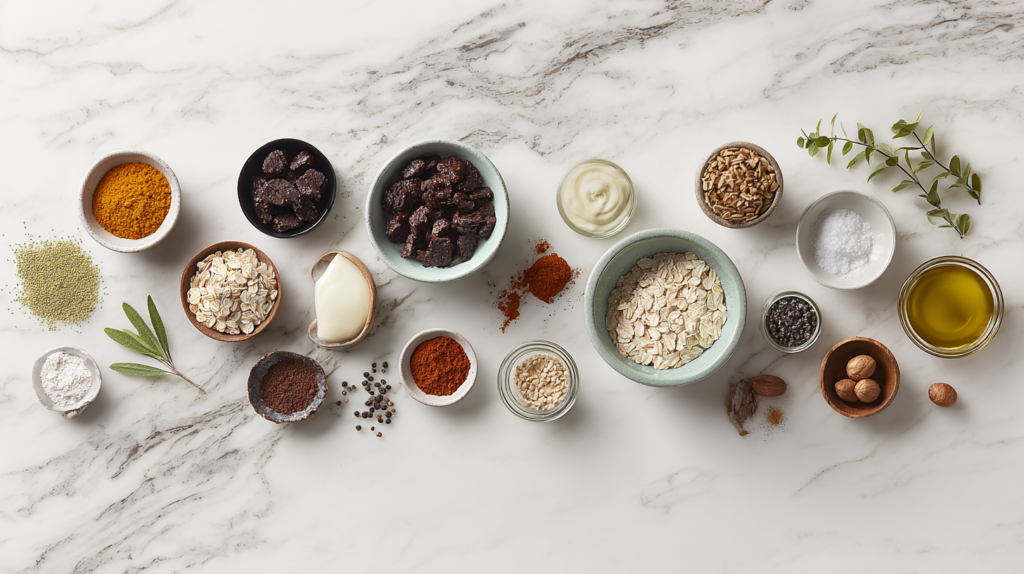
Peanut Butter Cocoa Oat Cookies: Replace half the butter with natural peanut butter for a chocolate-peanut butter combination that’s absolutely irresistible. The peanut butter adds protein and creates a slightly denser, more filling cookie. You can also press a few peanut butter chips into the tops before baking for extra flavor.
Double Chocolate Oat Cookies: Increase the chocolate chips to 1 cup and add 1/4 cup of white chocolate chips for contrast. The combination of cocoa powder, dark chocolate, and white chocolate creates layers of chocolate flavor that serious chocolate lovers will appreciate. This variation is perfect for special occasions.
Coconut Cocoa Oat Cookies: Add 1/2 cup of shredded unsweetened coconut to the dough and replace the vanilla extract with coconut extract. The coconut adds tropical flair and interesting texture. Toast the coconut first for even deeper flavor and visual appeal.
Mint Chocolate Oat Cookies: Replace the vanilla extract with peppermint extract (use only 1/2 teaspoon as it’s stronger) and add crushed sugar-free mints or mint chocolate chips. These taste like Girl Scout cookies but with wholesome oats. Perfect for holiday baking or when you want something refreshing.
Espresso Oat Cookies: Add 2 tablespoons of finely ground espresso powder to the dry ingredients for a sophisticated mocha flavor. These adult-friendly cookies pair wonderfully with afternoon coffee and make excellent gifts for coffee enthusiasts.
Serving Suggestions
These oats cocoa cookies shine as an afternoon snack with your favorite hot beverage. The chocolate pairs beautifully with coffee, but they’re equally delicious with tea, hot cocoa, or even a chai latte. The oats make them substantial enough to genuinely satisfy hunger, not just sweet cravings.
For a more indulgent dessert, serve them warm with a scoop of vanilla ice cream sandwiched between two cookies. The temperature contrast between cold ice cream and warm cookies creates a wonderful eating experience. Add a drizzle of chocolate sauce or caramel for extra decadence.
Pack them in lunchboxes as a homemade treat that feels special but still offers some nutritional value from the oats. Kids love finding these in their lunch bags, and they travel well without crumbling. Wrap individually in parchment paper for easy grab-and-go convenience.
Create a cookie platter for gatherings by pairing these chocolate treats with lighter options like lemon cookies or snickerdoodles. The visual variety and flavor contrast make your spread more interesting and ensure there’s something for everyone’s taste preferences.
Crumble them over yogurt parfaits for added crunch and chocolate flavor. This transforms a simple breakfast into something that feels more like dessert while still maintaining nutritional balance. The oats in the cookies complement the protein in yogurt perfectly.
Storage and Freezing Instructions
Store completely cooled cookies in an airtight container at room temperature for up to 5 days. Place a piece of bread in the container to keep them soft. The cookies will absorb moisture from the bread, maintaining their chewy texture. Replace the bread slice every couple of days as it dries out.
For longer storage, freeze baked cookies in a freezer-safe container or zip-top bag for up to 3 months. Layer them with parchment paper to prevent sticking. When you’re ready to enjoy, thaw at room temperature for about 30 minutes, or warm individual cookies in the microwave for 10-15 seconds.
You can also freeze the unbaked cookie dough for ultimate convenience. Scoop the dough into balls, freeze them on a baking sheet until solid, then transfer to a freezer bag. Bake from frozen, adding 2-3 minutes to the baking time. This means fresh-baked cookies whenever the craving strikes.
If your cookies lose their softness after a day or two, revive them by microwaving for 8-10 seconds. This slight warming brings back that fresh-baked texture and makes the chocolate chips melty again. Alternatively, place them in a 300°F oven for 3-4 minutes.
Nutrition Facts (Per Serving)
| Nutrient | Amount |
|---|---|
| Calories | 145 |
| Protein | 2g |
| Carbohydrates | 21g |
| Fat | 6g |
| Fiber | 2g |
| Sodium | 85mg |
This nutritional information is based on one cookie from a batch of 24. Values may vary depending on specific brands used and any modifications you make to the recipe.
FAQ About Oats Cocoa Cookies
Can I make oats cocoa cookies without eggs?
Yes, you can successfully make egg-free oats cocoa cookies using several substitutes. A flax egg works beautifully: mix 1 tablespoon ground flaxseed with 3 tablespoons water, let it sit for 5 minutes until gel-like, then use in place of the regular egg. Applesauce is another excellent option; use 1/4 cup of unsweetened applesauce to replace one egg, though your cookies will be slightly cakier. Mashed banana also works but adds banana flavor, which actually complements chocolate nicely. Commercial egg replacers designed for baking follow package directions and typically yield results closest to traditional cookies. Whichever substitute you choose, the cookies will still be delicious, though the texture may be slightly different from the original recipe.
Why are my oats cocoa cookies too dry and crumbly?
Dry, crumbly cookies usually result from too much flour or overbaking. When measuring flour, always use the spoon-and-level method rather than scooping directly from the bag, which compacts the flour and adds significantly more than intended. Overbaking is another common culprit; these cookies should look slightly underdone when you remove them from the oven, as they continue cooking on the hot pan. Check your oven temperature with an oven thermometer, since many ovens run hot and actually bake at higher temperatures than the dial indicates. Using old, stale oats can also absorb too much moisture and create dry cookies, so ensure your oats are fresh. Finally, if you’ve stored the dough in the refrigerator, let it sit at room temperature for 10 minutes before baking to prevent excessive spreading and drying out during the baking process.
How do I make my chocolate oat cookies chewier?
Achieving perfectly chewy oats cocoa cookies involves several techniques. First, use brown sugar instead of or in addition to white sugar, as the molasses in brown sugar adds moisture and creates chewiness. Slightly underbaking your cookies is crucial; remove them when the centers still look soft and barely set, then let them finish cooking on the pan. Melted butter instead of softened butter can also increase chewiness, though it changes the mixing method slightly. Adding an extra egg yolk (just the yolk, not the whole egg) contributes fat and moisture without the drying effect of egg whites. Finally, let the dough rest in the refrigerator for at least 30 minutes before baking, which allows the oats to absorb moisture and creates a denser, chewier final texture. Combining several of these methods will give you the chewiest possible cookies
Can I use instant oats instead of rolled oats in cocoa cookies?
You can use instant oats in oats cocoa cookies, but the texture will be noticeably different from the original recipe. Instant oats are more finely cut and processed than rolled oats, so they absorb liquid more quickly and create a softer, less textured cookie. The pleasant chewiness and hearty bite that rolled oats provide will be diminished with instant oats. If instant oats are your only option, reduce the flour by 2 tablespoons to compensate for the oats’ different absorption rate. The cookies will be more cake-like and tender rather than chewy and substantial. Steel-cut oats, on the other hand, are too coarse and won’t soften properly during the short baking time, so avoid those entirely. For the best results that stay true to the recipe’s intention, old-fashioned rolled oats are definitely worth purchasing specifically for this recipe.
What’s the best way to get cookies that don’t spread too much?
Controlling cookie spread ensures your oats cocoa cookies maintain their shape and thickness. Start by chilling your cookie dough for at least 30 minutes before baking, which solidifies the butter and slows melting in the oven. Make sure your butter is properly softened but not melted; it should be room temperature and hold its shape when pressed. Using slightly more flour or oats can also reduce spreading, so add an extra tablespoon or two of oats if your dough seems too loose. Ensure your baking sheets are completely cool before placing new dough on them; warm pans cause immediate melting and excessive spreading. Using parchment paper or silicone mats instead of greased pans provides better control over spreading. Finally, slightly underbaking at a higher temperature (375°F instead of 350°F) sets the edges quickly before the centers can spread too much, though watch timing carefully to avoid burning.
Can I add protein powder to make healthier chocolate oat cookies?
Adding protein powder to oats cocoa cookies is possible but requires adjustments for best results. Replace up to 1/4 cup of the flour with unflavored or chocolate protein powder; more than this typically creates dry, chalky cookies. Whey protein isolate works better than concentrate because it has less fat and absorbs less moisture. When using protein powder, add an extra tablespoon of butter or a tablespoon of milk to compensate for the drying effect. Plant-based protein powders like pea or hemp protein work but have stronger flavors that may come through in the final cookie. Chocolate protein powder reinforces the cocoa flavor nicely and is the most seamless addition. Remember that protein powder doesn’t behave exactly like flour, so your cookies may be slightly denser or drier, but they’ll still taste delicious while offering the nutritional boost you’re looking for.
Final Thoughts
These oats cocoa cookies deliver everything you want in a homemade treat: rich chocolate flavor, satisfying texture, and the wholesome goodness of oats. They’re simple enough for beginning bakers yet impressive enough to serve to guests or give as gifts.
The beauty of this recipe lies in its flexibility. Make them exactly as written for classic chocolate oat cookies, or experiment with the variations to create something uniquely yours. Every batch comes together quickly with ingredients you likely already have, making these cookies accessible any time the craving strikes.
Whether you’re baking for family, friends, or just yourself, these cookies prove that delicious and wholesome can coexist beautifully. The combination of cocoa and oats creates something special that satisfies both chocolate cravings and the desire for something a bit more substantial than typical cookies. Try them once, and they’ll likely become a regular part of your baking rotation.
For more recipe cacke
For more recipe follow me in pinterest